

24/7 Helpline (XXX) XXX-XXXX
Calm trauma therapy environment
Valor HealthValor Health
Trauma Therapy

Trauma-informed care — for the wounds that drive everything else.

Trauma is the root that addiction, depression, anxiety and so much else grows from. It is also one of the most treatable conditions in modern psychiatry — when treatment is done in the right way, by the right people, at the right pace.

There is a way to put down what you have been carrying. It takes courage and skill and time — and we walk every step of it with you.

EMDR
Certified therapists
IFS
Trained team
Phased
Stabilize → process
60%+
Of SUD patients have trauma
Types of trauma
Section 01

What 'trauma' really means clinically

Trauma is not the event itself — it is what was unable to be processed at the time. A single event (assault, accident, sudden loss) can cause PTSD. Repeated or sustained events — childhood abuse or neglect, chronic medical trauma, prolonged combat, long-term relational abuse — produce 'complex trauma' or C-PTSD, which adds difficulties with identity, relationships, emotion regulation and somatic disturbances on top of classic PTSD symptoms.

  • Single-event trauma → PTSD
  • Repeated trauma → complex trauma (C-PTSD)
  • Developmental trauma in childhood
  • Affects body, mind, relationships
Window of tolerance
Section 02

The window of tolerance

All trauma work is organized around the window of tolerance — the zone in which a person can feel their experience and stay present without overwhelm or shutdown. Our entire model is built around tracking and expanding that window. We never push beyond it. We help patients learn to recognize hyperarousal (flooding, panic) and hypoarousal (numbness, dissociation), and we use specific tools to bring the system back into the window.

  • Window of tolerance framework
  • Hyperarousal vs hypoarousal awareness
  • Grounding & resourcing skills
  • Patient-paced processing
EMDR therapy
Section 03

EMDR for trauma

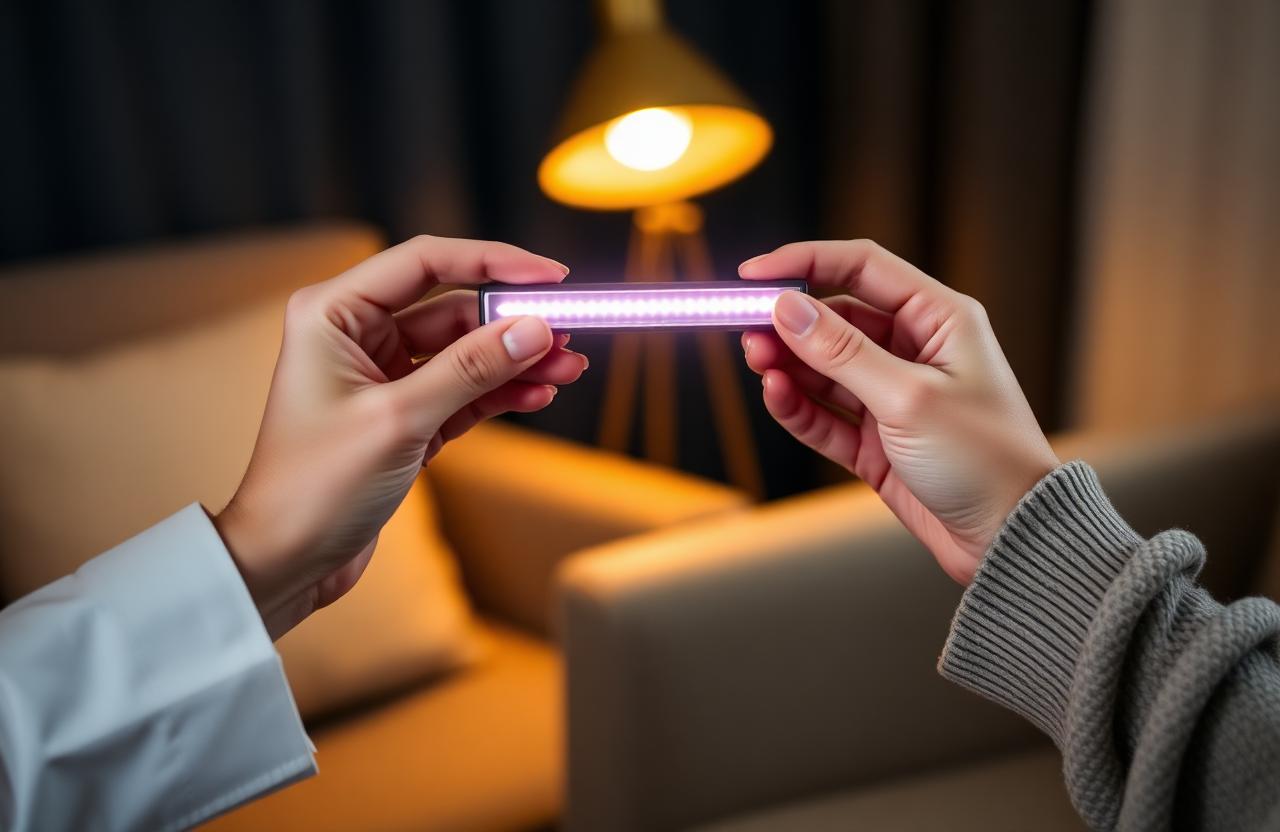
Eye Movement Desensitization and Reprocessing is one of the most evidence-based modalities for both single-event and complex trauma. Using bilateral stimulation while briefly contacting traumatic material, the brain reprocesses memories that were unable to be integrated at the time. Many patients describe the same memory afterward as something that happened — rather than something that is happening.

  • EMDRIA-trained clinicians
  • Single-event and complex trauma
  • WHO / APA / VA endorsed
  • Often profound symptom relief
IFS therapy session
Section 04

Internal Family Systems (IFS)

Internal Family Systems treats the psyche as composed of 'parts' — protectors, exiles, managers — that developed in response to overwhelming experiences. By compassionately befriending these parts, patients can release the burdens they carry. IFS is gentle, non-pathologizing, and often deeply effective for complex trauma, dissociation, shame, and the inner critic patterns that drive addiction.

  • Parts work for complex trauma
  • Compassion-based, non-pathologizing
  • Especially effective for shame
  • Pairs well with EMDR
Somatic work
Section 05

Somatic Experiencing & body-based work

Trauma is stored physiologically — in the nervous system, the muscles, the breath, the gut. Somatic Experiencing and Sensorimotor Psychotherapy work directly with these somatic patterns, helping the body discharge the unfinished survival responses that keep a person locked in defense. Yoga, breathwork and movement support this work daily in our residential and PHP programs.

  • Somatic Experiencing
  • Sensorimotor Psychotherapy
  • Trauma-sensitive yoga
  • Breath and movement integration
Family integration
Section 06

Trauma, addiction and family

Trauma rarely stays contained — it ripples outward into relationships, families, generations. Our trauma program includes family therapy when appropriate, education on intergenerational trauma, and tools that help families understand what their loved one is carrying. The result is healing not just for the individual, but for the system around them.

  • Integrated SUD and trauma care
  • Family education on trauma
  • Intergenerational pattern work
  • Long-term alumni support
Take the next step

Take the next step.

Confidential help, available 24 hours a day across South Carolina.